Buy britisch.eu ?
We are moving the project
britisch.eu .
Are you interested in purchasing the domain
britisch.eu ?
domain@kv-gmbh.de · 0541-91531010
Buy britisch.eu ?
What is the fractionation method?
Fractionation is a separation process used in various industries to separate a mixture into its individual components based on their different boiling points. This method involves heating the mixture to a specific temperature, causing the components with lower boiling points to vaporize and rise to the top of the fractionating column, while the components with higher boiling points remain in liquid form. The vaporized components are then condensed back into liquid form and collected as separate fractions. This process allows for the isolation of pure components from a complex mixture. **
Is the fractionation method the same as the separation method?
The fractionation method is a type of separation method. Fractionation involves separating a mixture into its individual components based on their different physical or chemical properties, such as boiling point, solubility, or molecular size. This process results in the formation of fractions, which are the individual components of the mixture. Therefore, while fractionation is a type of separation method, not all separation methods involve fractionation. **

Similar search terms for Fractionation
Top-Angebote
Products related to Fractionation:


-
Can you please help me with the isolation and fractionation of chloroplasts for photosynthesis?
Sure! Isolating and fractionating chloroplasts for photosynthesis involves several steps. First, you would need to extract chloroplasts from plant tissue using a buffer solution and a homogenizer. Then, you can use differential centrifugation to separate the chloroplasts from other cellular components based on their size and density. After that, you can use a sucrose density gradient to further purify and fractionate the chloroplasts based on their buoyant density. Finally, you can collect the chloroplast fractions and use them for studying photosynthesis. Keep in mind that this process requires careful handling and precise techniques to ensure the purity and functionality of the isolated chloroplasts. **
-
Can someone tell me the steps of cell fractionation by density gradient centrifugation with explanation?
Cell fractionation by density gradient centrifugation involves several steps: 1. Homogenization: The first step is to break open the cells and release their contents. This is typically done using a homogenizer or sonicator to disrupt the cell membranes. 2. Centrifugation: The homogenized cell suspension is then centrifuged at a low speed to remove large debris and unbroken cells. This step separates the homogenate into different fractions based on size and density. 3. Density gradient formation: A density gradient solution, such as sucrose or cesium chloride, is prepared and layered in a centrifuge tube. The gradient is formed by layering solutions of increasing density from the bottom to the top of the tube. 4. Centrifugation: The cell homogenate is then layered on top of the density gradient and centrifuged at high speeds. During centrifugation, the different cellular components separate based on their density and form distinct bands within the gradient. **
-
Can someone provide me with the steps of cell fractionation by density gradient centrifugation with explanation?
Cell fractionation by density gradient centrifugation involves separating cellular components based on their density. The steps are as follows: 1. Homogenize the cells to break them open and release their contents. 2. Centrifuge the homogenate at low speed to remove large debris and nuclei. 3. Layer the supernatant on top of a density gradient medium in a centrifuge tube. 4. Centrifuge the tube at high speed, causing cellular components to separate based on their density, with heavier components sinking to the bottom and lighter components staying towards the top. 5. Collect the fractions at different density levels and analyze them to isolate specific cellular components. This method allows for the separation of organelles and other cellular components based on their density, providing researchers with purified fractions for further analysis. **
-
What is a German alternative to tea biscuits?
A popular German alternative to tea biscuits is Lebkuchen, which are traditional German gingerbread cookies. These spiced cookies are often enjoyed with a cup of tea or coffee and come in a variety of shapes and sizes. Lebkuchen are often flavored with honey, cinnamon, cloves, and other warm spices, making them a delicious and festive treat. They are commonly enjoyed during the holiday season and are a beloved German tradition. **

Are Tuc biscuits?
Tuc biscuits are a type of savory snack that is often referred to as a cracker rather than a traditional sweet biscuit. They are known for their crunchy texture and savory flavor, making them a popular choice for snacking. While they may not fit the traditional definition of a biscuit, they are still considered a type of biscuit in the snack food category. **
'Cookies or biscuits?'
The terms "cookies" and "biscuits" are often used interchangeably, but they can have different meanings depending on where you are from. In the United States, "cookies" typically refer to sweet, baked treats, while "biscuits" are a type of savory bread. In the United Kingdom and other parts of the world, "biscuits" are what Americans would call "cookies." Ultimately, the choice between cookies and biscuits comes down to personal preference and cultural background. **
Top-Angebote
Products related to Fractionation:
-
Sanavi Artisan Biscuits Biofibra 300 grNutrition and Supplements Snacks Sanavi Artisan Biscuits Biofibra 300 gr Delicious cookies, with a soft texture and a pleasant lemon aroma, made according to a completely handmade recipe, and suitable for diabetics. Made with fructose (fruit sugar) and unsaturated fat (olive and sunflower). It has been enriched with inulin, with a marked bifidogenic action and intestinal protector. In addition, it does not contain milk, lactose or casein. PRESENTATION: Packaged in modified atmosphere. Bags with 300 g of artisans. Boxes with 10 bags.2,73 £*Shipping: 3,99 £Secure redirect to the provider
-
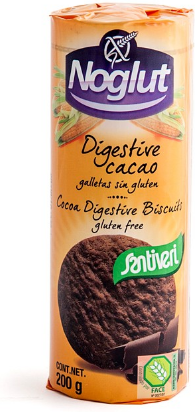
Santiveri Noglut Digestive Biscuits Cocoa GlutenNutrition and Supplements Snacks Santiveri Noglut Digestive Biscuits Cocoa Gluten An intensely flavored cookie, prepared with carefully selected natural ingredients (corn, whole brown sugar and cocoa). It is perfect if you are one of those who likes to have cookies with milk or vegetable drinks for breakfast. Treat yourself to the most delicious breakfast. Gluten-free food, specifically made for people with gluten intolerance or celiac disease, or who prefer to eat gluten-free. With natural ingredients, not genetically modified. Without preservatives. Made in an exclusive production line for gluten-free foods. With oleic acid, ideal for a healthy diet. Suitable for vegetarians. Weight: 200g. They are excellent adjuvants of good health. This product is beneficial for human health.2,42 £*Shipping: 3,99 £Secure redirect to the provider
-
What is the fractionation method?
Fractionation is a separation process used in various industries to separate a mixture into its individual components based on their different boiling points. This method involves heating the mixture to a specific temperature, causing the components with lower boiling points to vaporize and rise to the top of the fractionating column, while the components with higher boiling points remain in liquid form. The vaporized components are then condensed back into liquid form and collected as separate fractions. This process allows for the isolation of pure components from a complex mixture. **
-
Is the fractionation method the same as the separation method?
The fractionation method is a type of separation method. Fractionation involves separating a mixture into its individual components based on their different physical or chemical properties, such as boiling point, solubility, or molecular size. This process results in the formation of fractions, which are the individual components of the mixture. Therefore, while fractionation is a type of separation method, not all separation methods involve fractionation. **
-
Can you please help me with the isolation and fractionation of chloroplasts for photosynthesis?
Sure! Isolating and fractionating chloroplasts for photosynthesis involves several steps. First, you would need to extract chloroplasts from plant tissue using a buffer solution and a homogenizer. Then, you can use differential centrifugation to separate the chloroplasts from other cellular components based on their size and density. After that, you can use a sucrose density gradient to further purify and fractionate the chloroplasts based on their buoyant density. Finally, you can collect the chloroplast fractions and use them for studying photosynthesis. Keep in mind that this process requires careful handling and precise techniques to ensure the purity and functionality of the isolated chloroplasts. **
-
Can someone tell me the steps of cell fractionation by density gradient centrifugation with explanation?
Cell fractionation by density gradient centrifugation involves several steps: 1. Homogenization: The first step is to break open the cells and release their contents. This is typically done using a homogenizer or sonicator to disrupt the cell membranes. 2. Centrifugation: The homogenized cell suspension is then centrifuged at a low speed to remove large debris and unbroken cells. This step separates the homogenate into different fractions based on size and density. 3. Density gradient formation: A density gradient solution, such as sucrose or cesium chloride, is prepared and layered in a centrifuge tube. The gradient is formed by layering solutions of increasing density from the bottom to the top of the tube. 4. Centrifugation: The cell homogenate is then layered on top of the density gradient and centrifuged at high speeds. During centrifugation, the different cellular components separate based on their density and form distinct bands within the gradient. **
Similar search terms for Fractionation
-
Can someone provide me with the steps of cell fractionation by density gradient centrifugation with explanation?
Cell fractionation by density gradient centrifugation involves separating cellular components based on their density. The steps are as follows: 1. Homogenize the cells to break them open and release their contents. 2. Centrifuge the homogenate at low speed to remove large debris and nuclei. 3. Layer the supernatant on top of a density gradient medium in a centrifuge tube. 4. Centrifuge the tube at high speed, causing cellular components to separate based on their density, with heavier components sinking to the bottom and lighter components staying towards the top. 5. Collect the fractions at different density levels and analyze them to isolate specific cellular components. This method allows for the separation of organelles and other cellular components based on their density, providing researchers with purified fractions for further analysis. **
-
What is a German alternative to tea biscuits?
A popular German alternative to tea biscuits is Lebkuchen, which are traditional German gingerbread cookies. These spiced cookies are often enjoyed with a cup of tea or coffee and come in a variety of shapes and sizes. Lebkuchen are often flavored with honey, cinnamon, cloves, and other warm spices, making them a delicious and festive treat. They are commonly enjoyed during the holiday season and are a beloved German tradition. **
-
Are Tuc biscuits?
Tuc biscuits are a type of savory snack that is often referred to as a cracker rather than a traditional sweet biscuit. They are known for their crunchy texture and savory flavor, making them a popular choice for snacking. While they may not fit the traditional definition of a biscuit, they are still considered a type of biscuit in the snack food category. **
-
'Cookies or biscuits?'
The terms "cookies" and "biscuits" are often used interchangeably, but they can have different meanings depending on where you are from. In the United States, "cookies" typically refer to sweet, baked treats, while "biscuits" are a type of savory bread. In the United Kingdom and other parts of the world, "biscuits" are what Americans would call "cookies." Ultimately, the choice between cookies and biscuits comes down to personal preference and cultural background. **
* All prices are inclusive of VAT and, if applicable, plus shipping costs. The offer information is based on the details provided by the respective shop and is updated through automated processes. Real-time updates do not occur, so deviations can occur in individual cases. ** Note: Parts of this content were created by AI.